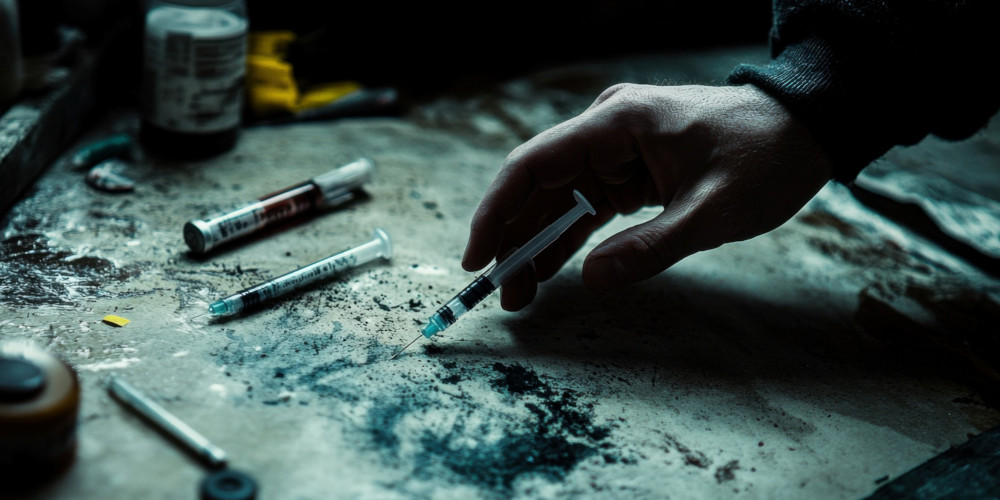
A Drug That Breaks Entire Environments
Methamphetamine (tik) is not simply a substance problem. It is a community problem, a family problem, a structural problem, and a mental-health problem all bleeding into each other until no one can tell where the chaos originally started. Tik is one of the few drugs that doesn’t just harm the person using it, it radiates outward like an explosion, leaving psychological shrapnel in every direction. South Africa has been living with the fallout for decades, particularly in communities already crushed by unemployment, poverty, unresolved trauma, and systemic neglect. Tik didn’t create these cracks, it simply seeped into them and widened them until everything around it began to collapse.
When people outside addiction talk about meth, they tend to focus on one person’s choices, behaviours, or “lifestyle”. But tik is not a lone-wolf drug. It behaves like a hostile takeover. It hijacks the brain, the household, the neighbourhood, and eventually the culture of everyday living. Families stop sleeping. Neighbours stop trusting. Schools become holding zones for emotionally traumatised kids. Small crimes become large ones, and large ones become normal. People begin to walk with their shoulders higher, scanning, listening, waiting. The entire community shifts into emotional survival mode.
Understanding tik means understanding this ripple effect. Not the narrow “drug user” narrative, but the full-scale siege it creates around everyone. And until treatment, support, and early intervention meet this reality, communities will continue functioning under the emotional equivalent of a low-grade civil war.
How Tik Hijacks the Brain and the Street at the Same Time
Methamphetamine rewires the brain faster and more aggressively than almost any other drug. Within weeks of repetitive use, dopamine pathways that once connected pleasure to natural life experiences become reassigned to one thing only, the next hit. Tik doesn’t simply create “cravings”, it creates a complete neurological takeover of motivation, judgement, memory, impulse control, and emotional stability.
While this internal storm is unfolding inside the person using, an external storm hits the community. The drug’s psychological impact, agitation, paranoia, hypervigilance, sleeplessness, impulsivity, unpredictable aggression, creates a spillover of tension and fear in every home where tik becomes part of daily life.
One person using tik can destabilise an entire household.
Ten households destabilised can change the tone of an entire street.
When an entire street collapses emotionally, hopelessness becomes the new atmosphere.
This is how a drug becomes more than a health crisis, it becomes an environmental one.
The Silent Normalisation of Violence and Fear
Tik-induced paranoia often leads to violent outbursts, arguments that escalate within minutes, and entire nights where family members cannot sleep because they are waiting to see if the situation will turn dangerous. Mothers hide handbags and car keys. Siblings brace for confrontation. Children learn to freeze at the sound of raised voices. Grandparents lock bedroom doors. Everyone learns to “manage” the person using, an exhausting emotional labour the public never sees.
This normalisation of fear is one of the most overlooked long-term consequences of tik addiction. People in these environments spend years living in fight-or-flight mode, even after the person using eventually goes to rehab, prison, or disappears. The nervous system never fully resets. Constant hypervigilance becomes part of the culture. Children internalise danger as normal. Adults learn to shrink themselves emotionally. The community becomes a place where everyone is reacting, never resting.
Violence stops being shocking. It becomes expected.
And that is when a neighbourhood begins to rot from the inside out.
The Generational Ripple
Children growing up in tik-affected homes often become adults who distrust authority, relationships, stability, and hope. They learn early that home is not safe. That adults cannot be relied on. That moods can change within seconds. That love can look like chaos. That care can coexist with fear. These emotional imprints shape their entire worldview.
Many of these children carry:
- developmental delays
- anxiety and hypervigilance
- emotional numbing
- academic struggles
- early experimentation with substances
- intense difficulty trusting others
Some become parentified, taking on adult responsibilities long before their brains are ready. Others become withdrawn and emotionally mute. Some grow into adults who repeat the cycle, not because they want to, but because they have never known anything else.
Tik is not a “youth problem” or a “crime problem”.
Tik is a generational problem.
The damage doesn’t leave when the drug leaves someone’s bloodstream.
The Perfect Storm
Tik thrives in environments already shaped by despair. Communities dealing with inequality, high unemployment, limited social mobility, gangsterism, and chronic trauma become breeding grounds for meth markets. Tik is cheap, accessible, and offers an immediate sense of power and escape, two things scarce in communities that feel forgotten.
Drug dealers flourish where governments fail.
Tik fills a vacuum where opportunity should exist.
And when a drug becomes both an economic lifeline and a psychological escape hatch, it spreads faster than any intervention can keep up with. People don’t use tik because they want chaos. They use tik because they want relief, from depression, boredom, hopelessness, hunger, anxiety, or trauma.
Tik is not just a chemical. It is a symptom of a much larger sickness in society.
The Community Economy Built Around Meth
Tik brings with it its own economy, small dealers, big dealers, runners, extortionists, criminal networks, and households where the next fix becomes the financial priority. Appliances disappear. Clothing disappears. Family heirlooms disappear. Money meant for food, school transport, medical care, or electricity evaporates overnight.
Eventually, families stop asking, “Where is the money?”
They start asking, “What will be taken next?”
The drug economy becomes intertwined with survival. Debts to dealers create threats. Threats create fear. Fear creates silence. And silence is the glue that holds the meth ecosystem in place.
The Psychological Collateral on Bystanders
Tik traumatises more people who don’t use it than people who do.
Mothers quietly break down at night.
Siblings lose their sense of worth as all attention goes to the chaos.
Grandparents oscillate between compassion and exhaustion.
Partners live in emotional limbo, never at peace, never fully hopeful.
Neighbours live next to a ticking bomb.
Teachers build strategies to calm children they can’t help but worry about.
Communities stop feeling like communities.
No one talks about the emotional labour required to love someone who is burning their life down. Addiction affects everyone in the blast zone, not just the addicted person. And meth has a bigger blast radius than almost any other drug.
Why Tik Recovery Often Looks Different from Other Addictions
Tik is uniquely destructive because it hijacks cognition, behaviour, and emotion at the same time. The brain takes far longer to stabilise. Sleep takes longer to normalise. Paranoia and mood swings can linger for months. This makes early recovery emotionally turbulent for families and incredibly fragile for the person seeking help.
Many people relapse not because they don’t care, but because their brain has not yet recovered enough to regulate impulses, decision-making, and stress.
That’s why evidence-based treatment for meth addiction must include:
- stabilisation of sleep
- psychiatric support
- trauma work
- intensive behavioural therapy
- family therapy
- long-term relapse prevention
- structured aftercare
- community support
Tik recovery requires patience, consistency, and long-term follow-up, not quick fixes, short detox stays, or punitive lectures. People heal, but they heal slowly, and the community needs to understand the reality of that process.
Rebuilding Communities Means Rebuilding Nervous Systems
When a community has lived in survival mode for years, the recovery must be collective, not individual. Communities need safe spaces, mental-health resources, early intervention programs, youth alternatives, mentorship, job creation, and trauma healing, not just more police vans and overcrowded court dockets. Tik changes the emotional climate of a community. Recovery must change it back.
Schools need support.
Parents need counselling.
Children need stabilising environments.
Homes need safety plans.
Communities need long-term investments, not crisis-driven interventions.
You Didn’t Cause It, And You Can’t Cure It Alone
Families often drown in guilt, shame, anger, and confusion. Tik addiction feels personal, and the destruction it brings certainly feels personal. But breaking addiction is not about moral strength or “love being enough”. It is a medical condition, a psychological condition, and a community condition all intertwined.
Families need support as much as the addicted person does.
Because when one person goes to treatment, the entire family has to heal.
Why Treatment Matters More Than Ever
Tik pulls people into a world where chaos becomes normal. Treatment pulls them into a world where stability becomes possible. This shift cannot happen without structured care, evidence-based therapy, consistent support, and a safe environment away from triggers.
Tik addiction is not hopeless.
But no one escapes it alone.
South Africa has treatment centres equipped to manage meth addiction through medical detox, psychiatric assessment, trauma-focused therapy, and long-term behavioural change. These centres don’t just treat the substance, they treat the emotional debris left behind in the person, the family, and the community.
Rehab is not a punishment.
It is a lifeline.
And for communities living under the meth shadow, it is one of the few interventions with the power to change the narrative.